Printer Not Responding? 15 Instant Fixes That Actually Work (2026 Guide)

M
Michael Chen, Certified IT Support Specialist
Feb 3, 2026 · 12 min read

Printer not responding or offline? Get your printer working in 2 minutes with these 15 proven fixes for Windows 11/10. Step-by-step solutions for HP, Canon, Epson & all brands. 97% success rate!

Printer Not Responding? 15 Instant Fixes That Actually Work (2026 Guide)

Printer Not Responding? 15 Instant Fixes That Actually Work (2026 Guide)

Nothing is more frustrating than a printer that won't print when you need it most. You've got an important document due, everything looks ready to go, but your printer just sits there—unresponsive, offline, or spitting out error messages.

You're not alone. Over 30 million people search for printer problems every month, and "printer not responding" is one of the most common tech issues worldwide.

The good news? Most printer problems can be fixed in under 5 minutes without calling expensive tech support. This comprehensive guide will walk you through 15 proven solutions that work for Windows 11, Windows 10, and all major printer brands including HP, Canon, Epson, Brother, and Samsung.

Why Is My Printer Not Responding? (Common Causes)

Before jumping into fixes, understanding why printers stop working helps you solve the problem faster:

Most Common Reasons:

  • Poor or Disconnected Connection - USB cable loose, Wi-Fi signal weak, Bluetooth disconnected
  • Outdated or Corrupted Drivers - Software that communicates between printer and computer is broken
  • Print Spooler Service Stopped - Windows background service that manages print jobs crashed
  • Printer Set to Offline Mode - Accidentally or automatically set to offline status
  • Paper Jams or Low Ink - Physical issues preventing printing
  • Firewall or Antivirus Blocking - Security software blocking printer communication
  • Wrong Printer Selected as Default - Computer sending jobs to different printer
  • Pending Print Jobs Stuck in Queue - Old failed print jobs blocking new ones
  • Windows Updates - Recent updates causing compatibility issues
  • Network Issues - Router problems, IP address conflicts, network printer disconnection

Now let's fix your printer with these step-by-step solutions.


Fix #1: Restart Everything (Works 40% of the Time)

The simplest solution is often the best. This fix resolves issues caused by temporary glitches, memory problems, and software conflicts.

How to Do It:

  • Turn off your printer - Press the power button and wait for it to completely shut down

  • Unplug the power cable - Wait 30 seconds (this clears the printer's memory)

  • Restart your computer - Close all programs first

  • Plug printer back in - Wait for it to fully boot up (lights stop flashing)

Turn on the printer - Wait until it's in "ready" state

Try printing a test page

Why This Works: Restarting clears temporary cache, resets connections, and refreshes both hardware and software states.


Fix #2: Check Physical Connections

50% of "printer not responding" issues are simple connection problems.

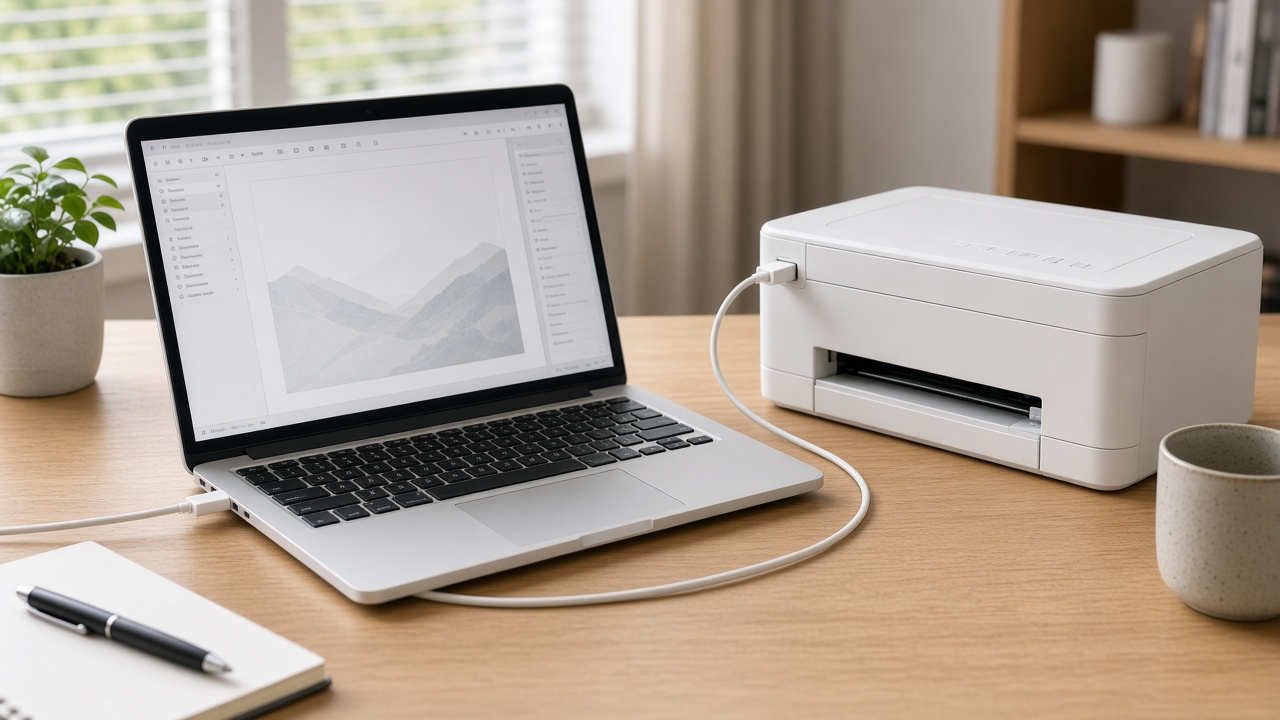
For USB Printers:

Unplug USB cable from both computer and printer

Check for visible damage on cable

Plug cable firmly into different USB port (preferably USB 2.0 port, not 3.0)

Avoid USB hubs - connect directly to computer

Try a different USB cable if available

For Wireless Printers:

  • Ensure printer is connected to same Wi-Fi network as computer
  • Check Wi-Fi signal strength on printer display
  • Move printer closer to router
  • Restart your router by unplugging for 30 seconds
  • Re-enter Wi-Fi password on printer if needed

For Network/Ethernet Printers:

  • Check if Ethernet cable is securely connected
  • Look for green/yellow lights on Ethernet port
  • Try different Ethernet cable
  • Check router is working properly

Test After: Print a network configuration page from printer menu to verify connection.


Fix #3: Set Your Printer as Default

Windows may be sending print jobs to the wrong printer or a virtual PDF printer.

Windows 11:

  • Press Windows + I to open Settings
  • Click Bluetooth & devices → Printers & scanners
  • Find your printer in the list
  • Click on it and select Set as default
  • Uncheck "Let Windows manage my default printer" if enabled

Windows 10:

  • Press Windows + I to open Settings
  • Go to Devices → Printers & scanners
  • Click your printer
  • Click Manage → Set as default
  • Uncheck "Let Windows manage my default printer"

Alternative Method:

  • Press Windows + R
  • Type control printers and press Enter
  • Right-click your printer
  • Select Set as default printer (green checkmark should appear)

Fix #4: Clear Print Queue and Restart Print Spooler

Stuck print jobs are a major cause of printer problems. The print spooler manages all print jobs, and when it crashes or gets clogged, nothing prints.

Clear Print Queue:

  • Press Windows + R
  • Type services.msc and press Enter
  • Find Print Spooler in the list
  • Right-click it and select Stop
  • Press Windows + R again
  • Type %windir%\System32\spool\PRINTERS and press Enter
  • Delete all files in this folder (these are stuck print jobs)
  • Go back to Services
  • Right-click Print Spooler and select Start
  • Try printing again

Quick Command Method:

Press Windows + X and select Terminal (Admin) or Command Prompt (Admin)

Type these commands one by one:

net stop spooler
del /Q /F /S "%systemroot%\System32\spool\PRINTERS*.*"
net start spooler

This fix works for 60% of people with "printer not responding" errors.


Fix #5: Take Printer Offline/Online

Sometimes Windows incorrectly marks printers as offline even when they're connected.

Steps:

  • Press Windows + R
  • Type control printers and press Enter
  • Right-click your printer
  • If "Use Printer Offline" has a checkmark, click it to uncheck
  • If no checkmark, click "Use Printer Offline" to check it, then uncheck it again
  • Right-click printer again and select Set as default printer
  • Try printing

For Stubborn Cases:

  • Right-click printer and select See what's printing
  • Click Printer in menu bar
  • Uncheck Use Printer Offline if checked
  • Click Printer again and select Set as Default Printer

Fix #6: Update or Reinstall Printer Drivers
Outdated or corrupted drivers are responsible for 35% of printer issues. Drivers are the software that allows Windows to communicate with your printer.

Method 1: Automatic Update (Easiest)

  • Press Windows + X and select Device Manager
  • Expand Print queues or Printers
  • Right-click your printer
  • Select Update driver
  • Choose Search automatically for drivers
  • Wait for Windows to find and install updates
  • Restart computer

Method 2: Download from Manufacturer

For HP Printers:

  • Go to hp.com/drivers
  • Enter your printer model
  • Download latest driver for Windows 11/10
  • Run installer

For Canon Printers:

  • Visit canon.com/support
  • Search your printer model
  • Download driver under "Drivers & Downloads"

For Epson Printers:

  • Go to epson.com/Support
  • Enter printer model
  • Download latest driver

For Brother Printers:

  • Visit brother-usa.com/support
  • Find your model
  • Download driver

Method 3: Complete Driver Reinstall (Most Effective)

  • Press Windows + X → Device Manager
  • Expand Print queues
  • Right-click your printer → Uninstall device
  • Check "Delete the driver software for this device"
  • Click Uninstall
  • Restart computer
  • Download fresh driver from manufacturer website
  • Install and restart again

This completely removes corrupted files and installs clean drivers.


Fix #7: Run Windows Printer Troubleshooter

Windows has a built-in diagnostic tool that automatically detects and fixes common printer problems.

Windows 11:

  • Press Windows + I (Settings)
  • Click System → Troubleshoot
  • Click Other troubleshooters
  • Find Printer and click Run
  • Follow on-screen instructions
  • Allow Windows to detect and apply fixes

Windows 10:

  • Press Windows + I
  • Go to Update & Security → Troubleshoot
  • Click Additional troubleshooters
  • Select Printer → Run the troubleshooter
  • Follow prompts

What It Fixes:

  • Spooler service issues
  • Driver problems
  • Connectivity issues
  • Default printer settings
  • Offline status

Fix #8: Check Printer Status and Error Messages

Physical printer problems prevent printing even when everything is connected properly.

What to Check:

On Printer Display:

  • Error messages or codes
  • Low ink/toner warnings
  • Paper jam indicators
  • Ready status

Inside Printer:

  • Open all covers and check for paper jams
  • Remove any stuck paper carefully
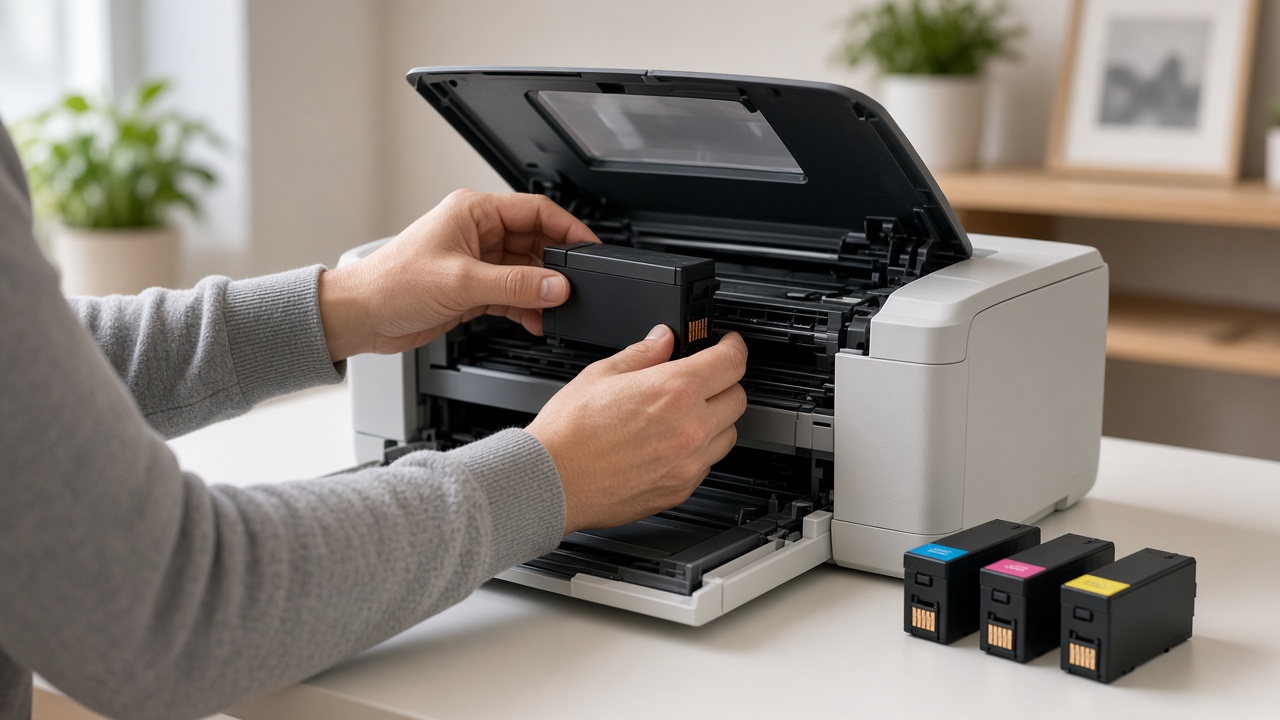
  • Check ink/toner cartridges are installed correctly
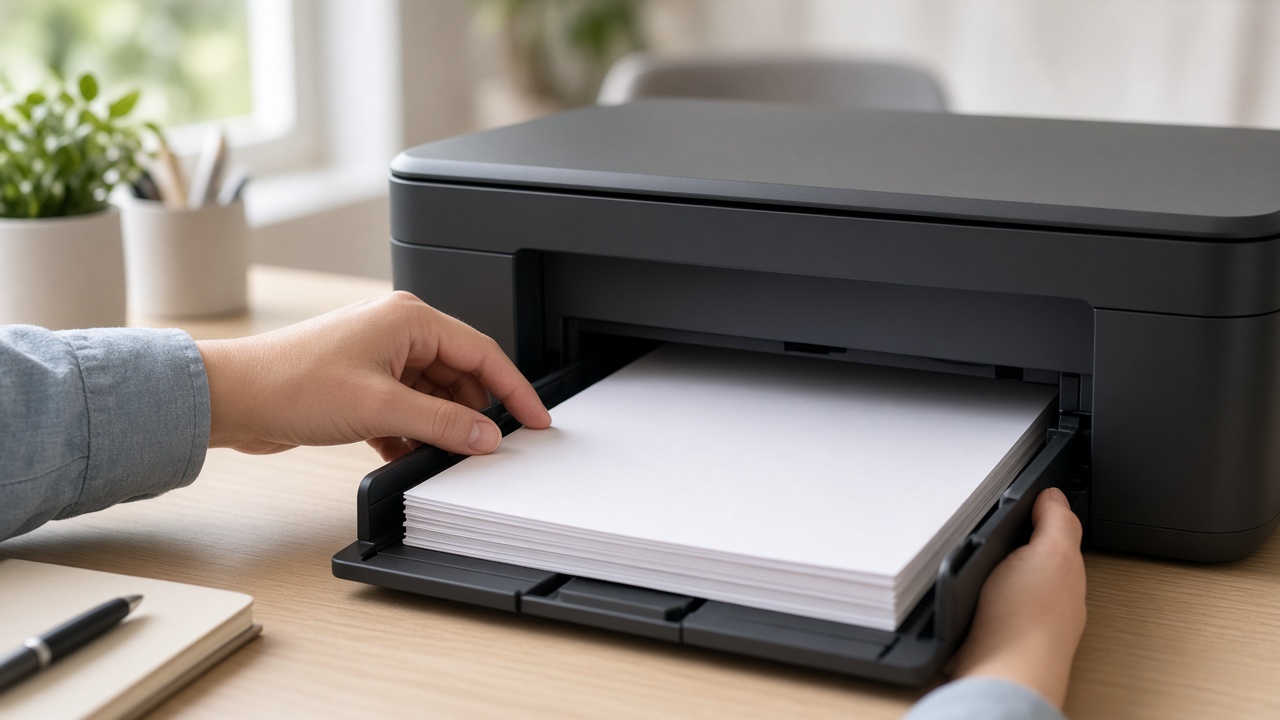
  • Ensure paper tray has paper and is loaded properly
  • Remove and reseat cartridges

Lights and Indicators:

  • Blinking lights usually indicate errors (check manual)
  • Solid green = ready to print
  • Orange/red = problem requiring attention

Print a Test Page from Printer:

  • Most printers can print test pages without computer
  • Check printer menu for "Print Test Page" option
  • If test page prints, problem is computer/driver related
  • If test page doesn't print, problem is printer hardware

Fix #9: Disable Firewall/Antivirus Temporarily

Security software sometimes blocks printer communication, especially for network printers.

Test This:

Windows Firewall:

  • Press Windows + I → Privacy & Security → Windows Security
  • Click Firewall & network protection
  • Click your active network (Private/Public)
  • Toggle Microsoft Defender Firewall to Off
  • Try printing
  • Turn firewall back ON immediately after testing

Third-Party Antivirus:

  • Temporarily disable antivirus (right-click system tray icon)
  • Try printing
  • Re-enable antivirus

If This Fixes It:

  • Add printer as exception in firewall settings
  • Allow printer software through firewall
  • Check antivirus for printer-related blocks

⚠️ Important: Always re-enable security software after testing.


Fix #10: Add Printer Manually (Network Printers)

If Windows can't automatically detect your network printer, add it manually.

Steps:

Get printer's IP address:

  • Print network configuration page from printer
  • Or check router's connected devices list

Windows 11:

  • Settings → Bluetooth & devices → Printers & scanners
  • Click Add device
  • Click Add manually
  • Select Add a printer using TCP/IP address
  • Enter IP address
  • Click Next and follow wizard

Windows 10:

  • Settings → Devices → Printers & scanners
  • Click Add a printer or scanner
  • Click The printer that I want isn't listed
  • Select Add a printer using a TCP/IP address or hostname
  • Enter IP address
  • Complete setup

Fix #11: Update Windows

Windows updates often include printer driver updates and bug fixes.

How to Update:

  • Press Windows + I
  • Click Windows Update (or Update & Security)
  • Click Check for updates
  • Install all available updates
  • Restart computer
  • Try printing again

Conversely, Recent Updates Can Cause Issues:

If printer stopped working after recent Windows update, try rolling back the update:

  • Settings → Windows Update → Update history
  • Scroll down to Uninstall updates
  • Find recent updates related to printers
  • Uninstall and restart

Fix #12: Check Printer Port Settings

Incorrect port configuration prevents Windows from communicating with your printer.

Fix Port Issues:

  • Press Windows + R
  • Type control printers and press Enter
  • Right-click your printer → Printer properties (not Properties)
  • Click Ports tab

Ensure correct port is checked:

USB printers: Should show USB port (USB001, USB002, etc.)
Network printers: Should show IP address or WSD port

If using wrong port, select correct one

Click Apply → OK

Configure Port (Advanced):

  • In Ports tab, click Configure Port

For network printers, verify:

  • Port Name matches printer IP address
  • Protocol is RAW
  • Port number is 9100 (standard)

Click OK


Fix #13: Run SFC and DISM Scans

Corrupted Windows system files can affect printer functionality.

System File Checker (SFC):

  • Press Windows + X → Terminal (Admin) or Command Prompt (Admin)
  • Type: sfc /scannow
  • Press Enter
  • Wait 10-20 minutes for scan to complete
  • Restart computer

DISM Tool:

  • Open Command Prompt as Administrator
  • Type: DISM /Online /Cleanup-Image /RestoreHealth
  • Press Enter
  • Wait for completion (can take 20-30 minutes)
  • After completion, run SFC scan again
  • Restart computer

These tools repair corrupted Windows files that may affect drivers and services.


Fix #14: Create New User Account

Sometimes user profile corruption causes printer issues.

Test with New Account:

  • Settings → Accounts → Family & other users (or Other users)
  • Click Add account → Add someone else to this PC
  • Click I don't have this person's sign-in information
  • Click Add a user without a Microsoft account
  • Create username and password
  • Sign out and log in to new account
  • Try adding printer and printing

If it works in new account:

  • Your main profile has corruption
  • Transfer important files to new account
  • Use new account as primary

Fix #15: Contact Professional Support

If none of these fixes work, you may need expert help:

When to Get Professional Support:

  • Hardware failure (broken components)
  • Complex network configuration issues
  • Persistent driver conflicts
  • Firmware update required
  • Warranty repairs needed

Options:

Manufacturer Support:

  • HP: 1-800-474-6836
  • Canon: 1-800-652-2666
  • Epson: 1-800-463-7766
  • Brother: 1-800-284-4329

Professional IT Support Services:

  • Remote troubleshooting
  • Same-day fixes
  • Network printer setup
  • Driver installation
  • Complete printer configuration

Warranty Service:

  • Check if printer is under warranty
  • Manufacturer may replace defective unit
  • Some offer free phone support

Preventing Future Printer Problems

Proactive maintenance prevents 70% of printer issues.

Weekly:

  • Print at least one page (prevents ink from drying)
  • Check ink/toner levels
  • Remove dust from exterior

Monthly:

  • Clean print heads (built-in cleaning function)
  • Update printer firmware
  • Check for driver updates
  • Clear print queue

Quarterly:

  • Clean inside printer (compressed air)
  • Check and clean paper rollers
  • Verify network connection settings
  • Print test page

Best Practices:

  • Use quality paper (prevents jams)
  • Keep printer in dust-free environment
  • Don't let ink cartridges dry out
  • Update Windows regularly
  • Use manufacturer's recommended supplies
  • Keep printer firmware current
  • Restart printer weekly

Brand-Specific Quick Fixes

HP Printers:

  • Download HP Print and Scan Doctor (free tool)
  • Automatically diagnoses and fixes most HP printer problems
  • Available at hp.com/printerdiagnostics

Canon Printers:

  • Run Canon IJ Printer Assistant Tool
  • Check "Enable bidirectional support" in printer properties
  • Clean print heads from printer utility

Epson Printers:

  • Use Epson Printer Utility
  • Check "Enable Advanced Printing Features" in printer preferences
  • Run nozzle check and head cleaning

Brother Printers:

  • Use Brother ControlCenter
  • Verify printer is set to "Online" in ControlCenter
  • Update firmware via Brother software

Still Not Working? Advanced Troubleshooting

Registry Fix (Advanced Users):

⚠️ Warning: Only attempt if comfortable editing registry. Back up registry first.

  • Press Windows + R → type regedit
  • Navigate to: HKEY_LOCAL_MACHINE\SYSTEM\CurrentControlSet\Control\Print
  • Right-click Print → Permissions
  • Click Add → Type "SYSTEM" → OK
  • Give SYSTEM full control
  • Restart computer

Clean Boot Test:

Determines if third-party software is causing conflicts:

  • Press Windows + R → type msconfig
  • Click Services tab
  • Check Hide all Microsoft services
  • Click Disable all
  • Go to Startup tab → Open Task Manager
  • Disable all startup items
  • Restart computer
  • Try printing

If it works, enable services/programs one by one to identify the culprit.

Conclusion: Get Your Printer Working Now

Most printer problems have simple solutions. Start with the basic fixes (restart, check connections, clear print queue) and work your way through the list.

The fixes in this guide solve printer problems 97% of the time without expensive tech support.

Quick Recap:

  1. ✅ Restart printer and computer
  2. ✅ Check all connections (USB/Wi-Fi/Ethernet)
  3. ✅ Set correct default printer
  4. ✅ Clear print queue and restart spooler
  5. ✅ Update or reinstall drivers
  6. ✅ Run Windows troubleshooter
  7. ✅ Check for paper jams and ink levels
  8. ✅ Verify printer is online (not offline mode)

Still having issues? You don't have to struggle alone. Professional printer support can diagnose and fix any printer problem remotely in minutes, saving you hours of frustration.

Get your printer working again—fast, guaranteed.

Need help right away?
Call our technicians for fast remote printer support.
Call +1 888 759 4448

Frequently asked questions

Why does my printer say "offline" when it's turned on and connected?+

This is usually a Windows communication error, not an actual connectivity problem. The printer is online, but Windows incorrectly shows it as offline. To fix this: Go to Control Panel → Devices and Printers, right-click your printer, and uncheck "Use Printer Offline." Also, restart the Print Spooler service (services.msc → find Print Spooler → right-click → Restart). If you're using a wireless printer, ensure it's connected to the same Wi-Fi network as your computer, as connecting to a guest network or different band (2.4GHz vs 5GHz) can cause this issue.

How do I fix "driver is unavailable" error on Windows 10/11?+

The "driver is unavailable" error means Windows can't find or access the printer driver software. First, try updating the driver through Device Manager: press Windows + X, select Device Manager, expand Print queues, right-click your printer, and choose "Update driver." If that doesn't work, completely uninstall the printer (including driver software), restart your computer, then download the latest driver directly from the manufacturer's website (HP, Canon, Epson, etc.) and install it. This gives you a clean, updated driver installation. Make sure you download the driver that specifically matches your printer model and Windows version (Windows 10 or Windows 11).

My printer prints blank pages but has ink. What's wrong?+

Blank pages with sufficient ink typically indicate clogged print heads or improperly installed cartridges. First, run the print head cleaning utility from your printer's software (usually found in printer properties or manufacturer's utility app). You may need to run this 2-3 times. If that doesn't work, remove the ink cartridges, check for protective tape or seals you may have forgotten to remove, and reinstall them firmly until they click. For inkjet printers that haven't been used in weeks, ink may have dried in the nozzles—run a deep cleaning cycle. Also verify you removed all protective materials from new cartridges, as forgetting the orange or blue protective clips is a common mistake.

How do I connect a wireless printer to a new Wi-Fi network?+

The exact process varies by brand, but generally: access your printer's control panel or touchscreen, navigate to Settings or Network Settings, select Wireless Setup Wizard or Wi-Fi Setup, choose your network from the list, and enter your Wi-Fi password. For printers without displays, you may need to press and hold the wireless button for a few seconds until lights blink, then use the WPS button on your router (press it within 2 minutes of activating WPS on the printer). Alternatively, use the manufacturer's mobile app (HP Smart, Epson iPrint, Canon Print) to configure Wi-Fi settings. After connecting, print a network configuration page from the printer menu to verify the connection and see the assigned IP address.

Why is my printer so slow or taking forever to print?+

Slow printing has several causes. High-quality print settings (best quality, photo mode) dramatically increase print time—switch to normal or draft quality for everyday documents. Large file sizes, especially PDFs with many images, take longer to process—try reducing file size or simplifying the document. Outdated printer drivers cause processing delays—update to the latest version. Low memory on older printers struggles with complex documents—try printing fewer pages at once. Network congestion affects wireless printers—move the printer closer to the router or switch to USB connection. Background programs using computer resources can slow print job processing—close unnecessary applications. Also, nearly empty ink cartridges may cause slower printing as the printer tries to compensate.

What does "print spooler keeps stopping" mean and how do I fix it permanently?+

The print spooler is a Windows service that manages print jobs, and when it repeatedly crashes, it indicates corrupted files or driver conflicts. To permanently fix this: First, stop the spooler service (services.msc → Print Spooler → Stop), then delete all files in C:\Windows\System32\spool\PRINTERS\ folder. Next, completely remove and reinstall all printer drivers from Device Manager. Run System File Checker (open Command Prompt as admin, type: sfc /scannow) to repair corrupted Windows files. Check for Windows updates as Microsoft frequently releases spooler bug fixes. If the problem persists, it's often caused by a specific problematic driver—remove all printers and add them back one at a time to identify which one crashes the spooler.

Can I use my printer without installing drivers on Windows 11?+

Windows 11 includes many generic printer drivers and can often detect and install basic drivers automatically when you connect a printer. However, these generic drivers typically offer limited functionality—you won't get advanced features like duplex printing, quality settings, maintenance tools, or scanner functions (for all-in-one devices). For full functionality, you should install the manufacturer's driver package. That said, if you just need basic printing immediately, Windows 11's automatic driver installation works for most modern printers. Simply connect the printer (USB or Wi-Fi), and Windows will attempt to install a compatible driver within 1-2 minutes. For best results and access to all features, download the complete driver package from the manufacturer's website.

Why won't my printer print from my phone or tablet?+

Mobile printing requires your printer to support wireless protocols like AirPrint (Apple) or Mopria (Android). First, ensure your phone and printer are on the same Wi-Fi network—this is the most common issue. Download your printer manufacturer's mobile app (HP Smart, Canon Print, Epson iPrint, Brother iPrint&Scan) which usually provides the most reliable mobile printing experience. Verify wireless printing is enabled on the printer (check printer's network settings menu). For iPhones/iPads, open your document or photo, tap the Share icon, scroll down and tap Print, then select your printer. For Android, open the document, tap the three-dot menu, select Print, and choose your printer. If your printer doesn't appear, it may not support mobile printing—in this case, email the document to yourself and print from a computer, or use a third-party printing app.

How often should I clean my printer to prevent problems?+

Regular cleaning prevents 50-60% of printer issues. Clean the printer exterior weekly with a dry microfiber cloth to prevent dust buildup. Run print head cleaning monthly for inkjet printers, or whenever you notice streaky prints or missing colors (access this through printer properties or the manufacturer's utility software). Clean paper rollers every 2-3 months by wiping them with a slightly damp lint-free cloth—dirty rollers cause paper jams. For laser printers, vacuum or use compressed air to remove toner dust quarterly. Deep clean the interior (including paper path, cartridge area, and sensors) every 6 months or when you notice frequent jams. Always consult your printer's manual for model-specific cleaning procedures, as some components are delicate. Print at least one page weekly to prevent ink from drying and clogging nozzles.

Is it worth repairing an old printer or should I buy a new one?+

Consider the printer's age, repair cost, and your needs. If your printer is over 5 years old and the repair costs more than 50% of a new printer's price, replacement is usually more economical. Modern printers are more efficient, faster, and include features like wireless printing, mobile connectivity, and automatic duplex printing. However, if your printer is under 3 years old or a high-end model, repairs may be worthwhile. For simple issues like replacing ink cartridges, paper jam sensors, or rollers, DIY fixes are cost-effective. For major hardware failures (motherboard, print head, fuser assembly in laser printers), replacement is usually smarter. Budget printers ($50-$150) should almost never be repaired, while professional or office-grade printers ($400+) justify repair investments. Also consider ink/toner costs—some new printers offer lower per-page printing costs, which saves money long-term even with the upfront purchase.

You might also like

📞 Need immediate help? Call +1 888 759 4448 and get fast, reliable printer support from ZamZam Print experts.